5 Common Wedding Flower Mistakes (and How to Avoid Them)
5 Common Wedding Flower Mistakes (and How to Avoid Them)
Wedding flowers appear in almost every photograph of the day, yet they are often planned last and trimmed first when money gets tight. That order of events causes most of the trouble. The same handful of mistakes turns up again and again — and nearly all of them can be avoided with one honest conversation, a few weeks earlier than you think you need it.
The good news is that florists see these mistakes every season. They know where budgets leak, which blooms wilt before the first dance, and which Pinterest board will cost three times the deposit. The better news is that a little preparation can turn flowers from a source of stress into one of the most personal, generous parts of the day.
1. Setting the flower budget after the quotes
Ask a florist for a quote without giving them a figure and you will get a wish list, not a plan. Say what you can spend before they start sketching, and a good one will tell you honestly what that buys. A budget is not an insult; it is a design brief. It tells the florist whether to reach for garden roses or carnations, whether to build a dramatic arch or focus on table centres, and whether to use a few statement installations or many small arrangements.
Two things catch couples out. The first is forgetting everything that comes with the blooms: delivery, setup on the day, hire of vases, arches and stands, conditioning, and clearing away afterwards. The second is VAT, which may or may not be included in the number you were given. Ask for a written breakdown so you can see what changing any single element would save or cost.
If the total is higher than you hoped, protect what the camera sees and trim what it does not:
- Spend here: your bouquet, the ceremony backdrop, and the two or three arrangements that will appear in close-up portraits.
- Save here: aisle arrangements that guests walk past in seconds, elaborate pew ends, and flowers for rooms that will not be photographed.
- Reuse here: ceremony pieces can often move to the reception, doubling their value without doubling the cost.
- Ask about: seasonal stems, locally grown varieties, and simple glassware instead of specialist vessels.
How to ask for a useful breakdown
Instead of asking, “How much for flowers?”, try: “We have £2,000 including VAT and delivery. What would you prioritise, and what would you leave out?” That question gives the florist a problem to solve rather than a fantasy to price. It also makes it easier to compare quotes fairly, because you can see whether one florist is including setup, break-down, and tax while another is not.
“The couples who get the best value are the ones who tell me the truth about the budget first, then let me be creative inside it.” — a wedding florist’s most common piece of advice
2. Choosing flowers that are out of season or impossible to match
It is tempting to fall in love with a photograph of peonies in December or dahlias in April. Those flowers can sometimes be imported, but they arrive expensive, fragile, and often smaller or paler than the ones in the picture. Out-of-season blooms also carry a higher carbon footprint and a higher risk of substitution. Your florist may be able to source them, but the price and the quality will fluctuate right up to the week of the wedding.
Colour is another quiet trap. “Blush” can mean pale pink, peach, dusty rose, or nude. “Burgundy” can be deep red, plum, or almost black. If you are matching flowers to bridesmaid dresses, ribbon, or stationery, ask for a sample or a colour swatch. Look at it in daylight and in the venue’s evening lighting. A shade that looks soft and romantic in a bright kitchen may look muddy in a candlelit barn.
A practical approach is to choose a palette and a mood rather than an exact flower list. Give your florist three to five inspiration images and say what you like about each one: the shape, the texture, the looseness, the colour. Then ask which seasonal stems can achieve that look on your date. You will usually get something more original, more robust, and better value than a strict copy.
3. Forgetting that flowers have to survive the whole day
Wedding flowers are not just a visual idea; they are living things that have to travel, be handled, and sit under lights or in heat. Bouquets can wilt in a hot car. Buttonholes can droop by the ceremony. Table centres can be knocked by guests. A florist who knows the venue will plan for this, but you can help by thinking about the conditions.
- Heat: ask for hardy blooms and for bouquets to be delivered in water or kept cool until the last moment.
- Wind: an outdoor ceremony may need heavier stems, low arrangements, or weighted bases.
- Time: if your ceremony and reception are hours apart, ask what will need refreshing or replacing.
- Handling: buttonholes and corsages should be pinned securely, with stems that do not snap.
Questions to ask about durability
- Which flowers in this design are the most and least heat-tolerant?
- Will the bouquet hold up for six hours, or should we have a backup?
- What do you recommend for an outdoor ceremony in direct sun?
- Can the arrangements be moved from the ceremony to the reception, and who will move them?
It also helps to appoint someone on the day to check the flowers. A bridesmaid, a planner, or a helpful aunt can keep an eye on wilting, top up water, and move arrangements out of the sun. Small interventions early prevent sad photographs later.
4. Treating Pinterest as a shopping list
Pinterest is a wonderful tool for discovering what you like, but it is a terrible shopping list. Many of the most popular wedding flower images are styled shoots, not real weddings. They may use oversized installations, rare blooms, and hours of labour that are not visible in the frame. They may also be heavily edited, so the colours are not achievable in real light.
Use inspiration images to communicate a feeling. Say, “I love the loose, meadowy shape” or “I want the tables to feel like a garden, not a formal hotel.” Then ask your florist how to translate that feeling into your venue, your season, and your budget. A good florist will not simply copy the image; they will adapt it so it looks intentional in the space.
Scale matters too. A bouquet that looks perfect in a close-up may be lost against a huge cathedral aisle. A centrepiece that looks generous on a long table may swallow a small round one. Share photographs of the venue, including the ceiling height, the light, and the table shapes. If you can, visit the venue together or send a short video walk-through.
5. Leaving the details to the last minute
Flowers are one of the last things couples book and one of the first things they try to change. That is a recipe for limited choice and rushed decisions. Good florists book up early, especially for peak Saturdays in spring and summer. If you leave it until three months before the wedding, you may find that the best florists are unavailable, the best stems are spoken for, and your only option is to pay a premium for substitutes.
Start with a rough budget and a date as soon as you have the venue. Then have a proper consultation six to nine months before the wedding, or earlier for a large event. Final counts and details usually need to be confirmed four to six weeks before, once RSVPs are in and the table plan is settled. That is also the time to confirm delivery times, setup access, and who is responsible for clearing away.
A simple flower timeline
- Twelve months before: set a realistic budget and book a florist whose style you love.
- Six to nine months before: share your palette, inspiration, venue photos, and priorities.
- Three months before: review the design, confirm seasonal substitutions, and check hire items.
- Four to six weeks before: give final numbers for tables, bouquets, buttonholes, and installations.
- One week before: confirm delivery, setup, and collection times in writing.
Extra section: What to do with the flowers after the wedding
Wedding flowers have a short life, but they do not have to end up in a bin bag. Ask your florist about donating arrangements to a care home, hospital, or church the next day. Some charities collect flowers and rearrange them into smaller posies for hospices and shelters. If you want to keep them, choose a few stems to dry, press, or preserve in resin. Bouquets can also be turned into confetti, potpourri, or a framed keepsake, though this works best with flowers that dry well, such as roses, ranunculus, and eucalyptus.
If you are hiring vases, arches, or stands, check who is responsible for returning them and by when. Missing hire items can eat into your deposit. If you are giving flowers to guests, plan that in advance with the venue so no one is left carrying a dripping centrepiece to the taxi rank.
Extra section: Questions to ask your florist before you book
- What is included in the quote, and what costs extra?
- Do you charge for delivery, setup, and breakdown?
- Are you available on our date, and do you have a backup plan if you are ill?
- Can you work with our budget and show us what it realistically buys?
- Which flowers will be in season on our date?
- How do you handle substitutions if a flower is unavailable?
- Can we see samples or a mood board before the wedding?
- What do you need from us, and when?
Ask these questions early, and you will spot the difference between a florist who sells flowers and a florist who designs for the day. The right one will welcome the questions, because they would rather solve problems in a consultation than on your wedding morning.
The bottom line
Most wedding flower mistakes come from treating flowers as a last-minute decoration instead of a planned part of the day. Set the budget first. Choose what is in season. Think about how the flowers will survive. Use inspiration as a starting point, not a rule. And start the conversation earlier than feels necessary.
Flowers do not have to be the biggest line in the budget to be the most memorable. They just have to be planned with the same care as the photographs they will appear in.
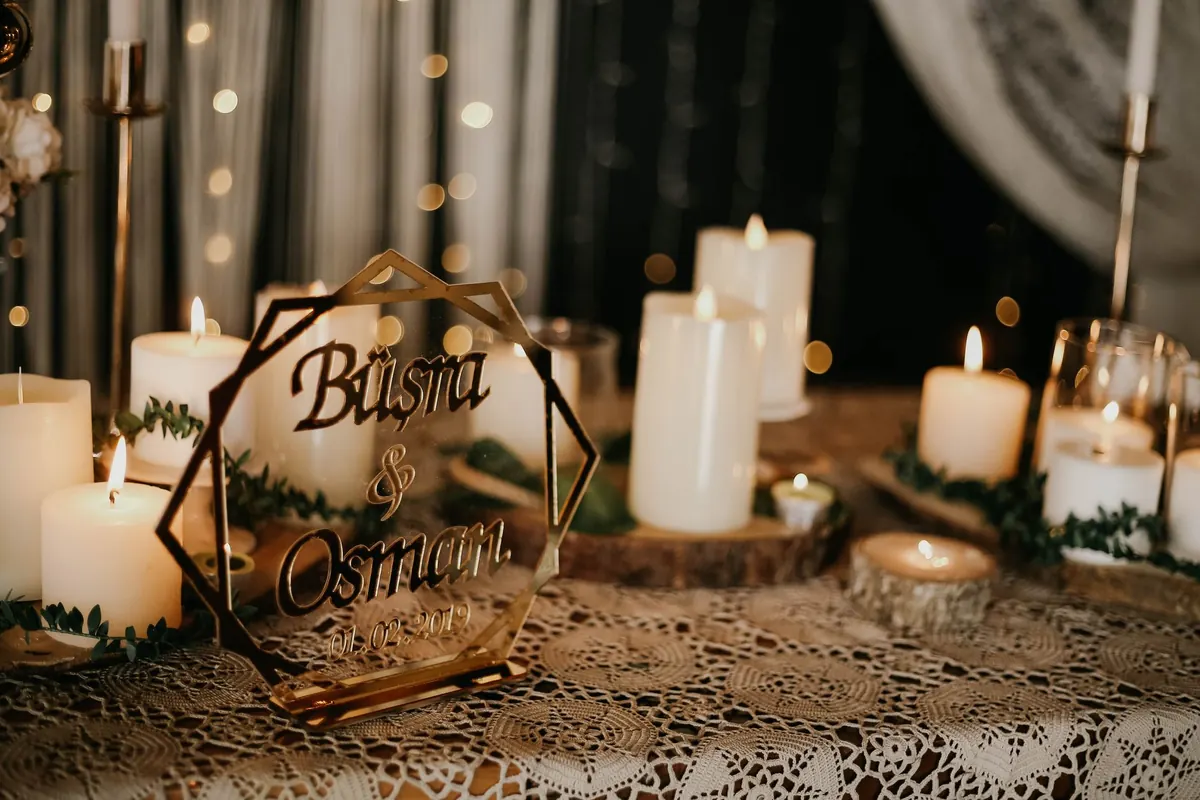
Photo: Melike B / Pexels